


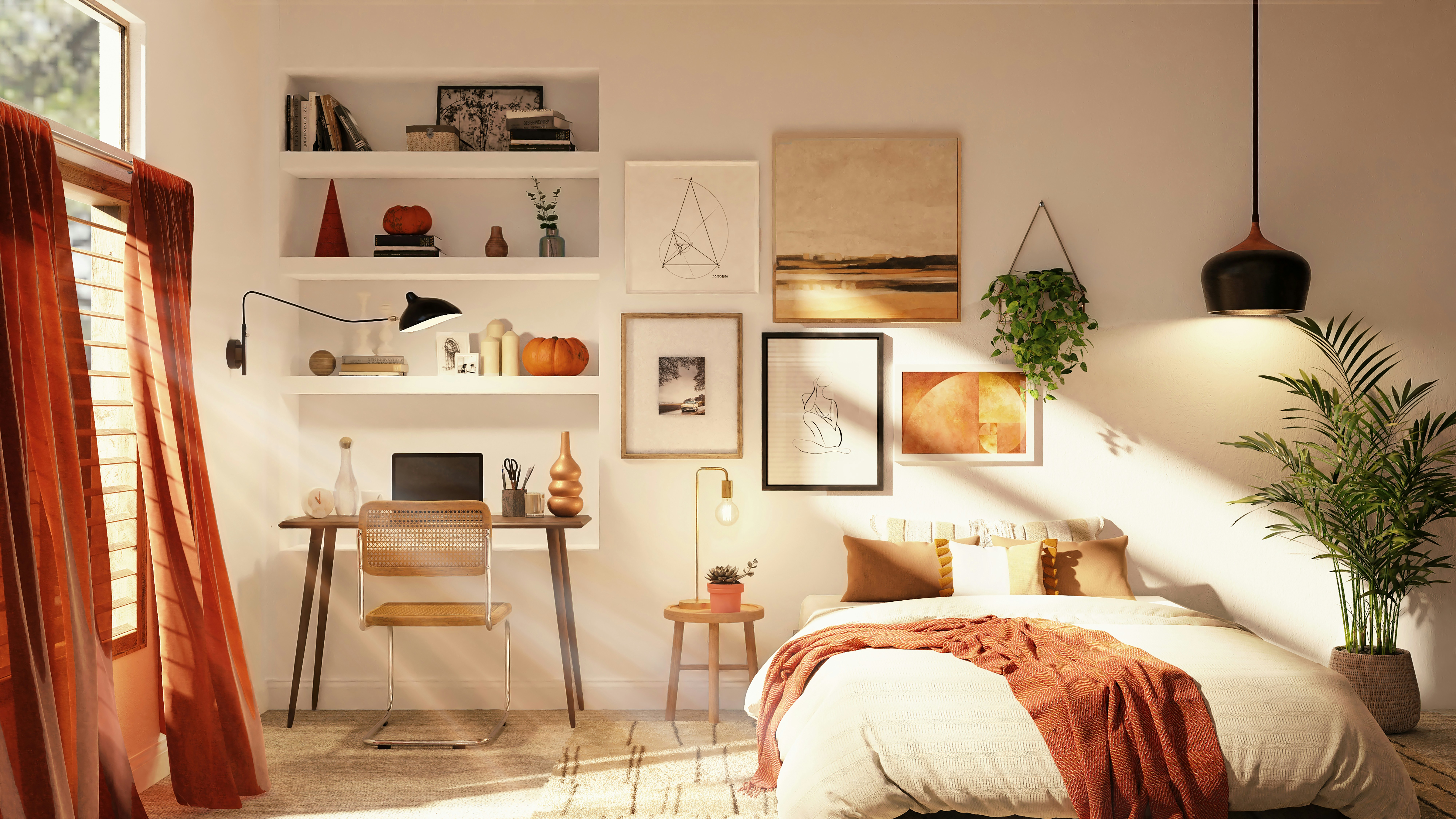
Gallery walls are one of those design trends that never really go out of style and for good reason. They’re personal, flexible and can completely transform a blank wall into something that feels curated and intentional.
Whether you’re working with family photos, art prints, or a mix of both, creating a gallery wall is easier than you think it is. Let’s break it down step-by-step, along with some creative ideas and the best places to make one in your home.

How to Make a Gallery Wall
Start with a vision
Before you start hammering nails into your wall, take a moment to figure out the style you’re going for. Some people prefer a clean, minimal look, while others lean toward something more eclectic and expressive. You might want a symmetrical layout, or you may prefer a relaxed free-flowing arrangement.
It helps to choose a loose theme to guide your decisions. For example, you could focus on black-and-white photography, travel memories, abstract art, or even a mix of family photos and meaningful quotes. The key is not perfection but cohesion. As long as your pieces feel like they belong together in some way, the overall result will look meaningful and well thought out.
Gather Your Frames and Art
This is where your personality really comes through. Start collecting pieces that you genuinely love, whether that includes your own photos, art prints, postcards, magazine clippings or even children’s artwork.
When it comes to frames, you can go in two main directions. If you prefer a clean and polished look, using frames that match in size and colour will give you that structured feel. On the other hand, mixing different frame styles and finishes can create a more relaxed, layered aesthetic. If you do mix frames, it helps to stick within a limited colour palette, such as black, white and natural wood tones, so the display doesn’t feel too busy.
Plan Your Layout First
Skipping this step is one of the most common mistakes and it often leads to unnecessary holes in the wall. Before you hang anything, lay your frames out on the floor and experiment with different arrangements until something clicks.
Spacing plays a big role in how polished your gallery wall looks. Keeping a consistent gap of around two to three inches between frames usually works well. Some people prefer a structured grid with perfectly aligned rows and columns, while others enjoy a more organic arrangement that feels collected over time. You might also consider building your layout around a central piece or arranging frames in a straight line for a simpler art gallery style.
If you want to be extra careful, you can trace your frames onto paper, cut them out and tape the outlines onto the wall, or simply use the dimensions as a guide with frog tape. This gives you a chance to visualise the layout in the actual space before committing.
Start Hanging
Once your layout is finalised, it’s time to start hanging. Begin with your anchor piece, which is usually the largest or most central item and then build outward from there. This helps keep everything balanced as you go.
It’s worth taking your time during this stage. Using a level will ensure your frames aren’t slightly crooked, and measuring before you hang will save you from having to redo things later. As a general guideline, the centre of your gallery wall should sit at about eye level. If you’re renting or simply want to avoid damaging your walls, adhesive hooks or velcro peelable strips can be a practical alternative and often hold more weight than you might expect.
Step Back and Adjust
After everything is on the wall, take a step back and look at the arrangement as a whole. Small adjustments can make a surprisingly big difference, whether that means shifting a frame slightly or swapping pieces around. It’s also worth remembering that a galley wall doesn’t have to be permanent. You can continue to add new pieces over time, rotate artwork or change the layout as your style evolves. In many ways, that ongoing flexibility is what makes gallery walls so appealing.
Gallery Wall Ideas to Try
If you’re looking for inspiration, there are plenty of ways to approach a gallery wall depending on your style. A minimalist grid is a great option if you like things to feel clean and organised. Using identical frames arranged in evenly spaced rows creates a modern, structured look, especially paired with black-and-white images or simple prints.
For a more relaxed and creative feel, an eclectic mix can work beautifully. Combining different frame styles, sizes and types of artwork gives your wall a layered, collected appearance that feels personal and lived-in. You can even incorporate unexpected elements like small mirrors or sculpture pieces to add depth.
Another approach is to build your gallery wall around a statement piece. By placing a larger artwork at the centre and surrounding it with smaller items, you create a natural focal point while still maintaining variety.
If you prefer flexibility, a shelf-based galley wall might be the way to go. Floating shelves allow you to lean frames against the wall rather than hanging them, making it easy to swap pieces in and out whenever you feel like a change.
You could also consider a colour-coordinated gallery wall, where all the pieces share a similar palette. Even if the content varies, consistent tones help tie everything together and create a cohesive overall look.

Where Gallery Walls Work Best
Some areas of the home are particularly well suited to gallery walls, especially where you want to add visual interest or create a focal point. The living room is one of the most popular choices. A gallery wall above the sofa can anchor the entire space and make it feel more styled and complete without requiring major changes to the room.
Hallways and staircases are often overlooked, but they offer great opportunities for gallery walls. A staircase wall, in particular, can look striking when the arrangement follows the angle of the stairs, while hallways are perfect for more linear, evenly spaced layouts.
In the bedroom, a gallery wall above the bed can either replace a traditional headboard or simply add a layer of personality. Choosing softer tones and meaningful artwork can help maintain a calm and relaxing atmosphere.
A home office is another ideal spot, as it allows you to surround yourself with artwork, quotes and images that inspire you. It’s a chance to create a space that feels motivating and uniquely yours.
Finally, the entryway is a great place to make an impression. A gallery wall here sets the tone for your home and gives guests an immediate sense of your style as soon as they walk in.
Final Thoughts
Creating a galley wall isn’t about following strict rules, it’s about showcasing the things you love in a way that feels natural and intentional. With a bit of planning and some experimentation, you can turn even the plainest wall into something full of character.
Take your time, trust your instincts and don’t be afraid to change things around along the way. The best gallery walls are the ones that evolve over time and tell a story that is entirely your own.
Leave a Reply